Combat Guide
A deep dive into Lost Soul Aside's combat system: from basic fundamentals to advanced techniques. Written for players who want to fight with style and efficiency.
Combat Fundamentals
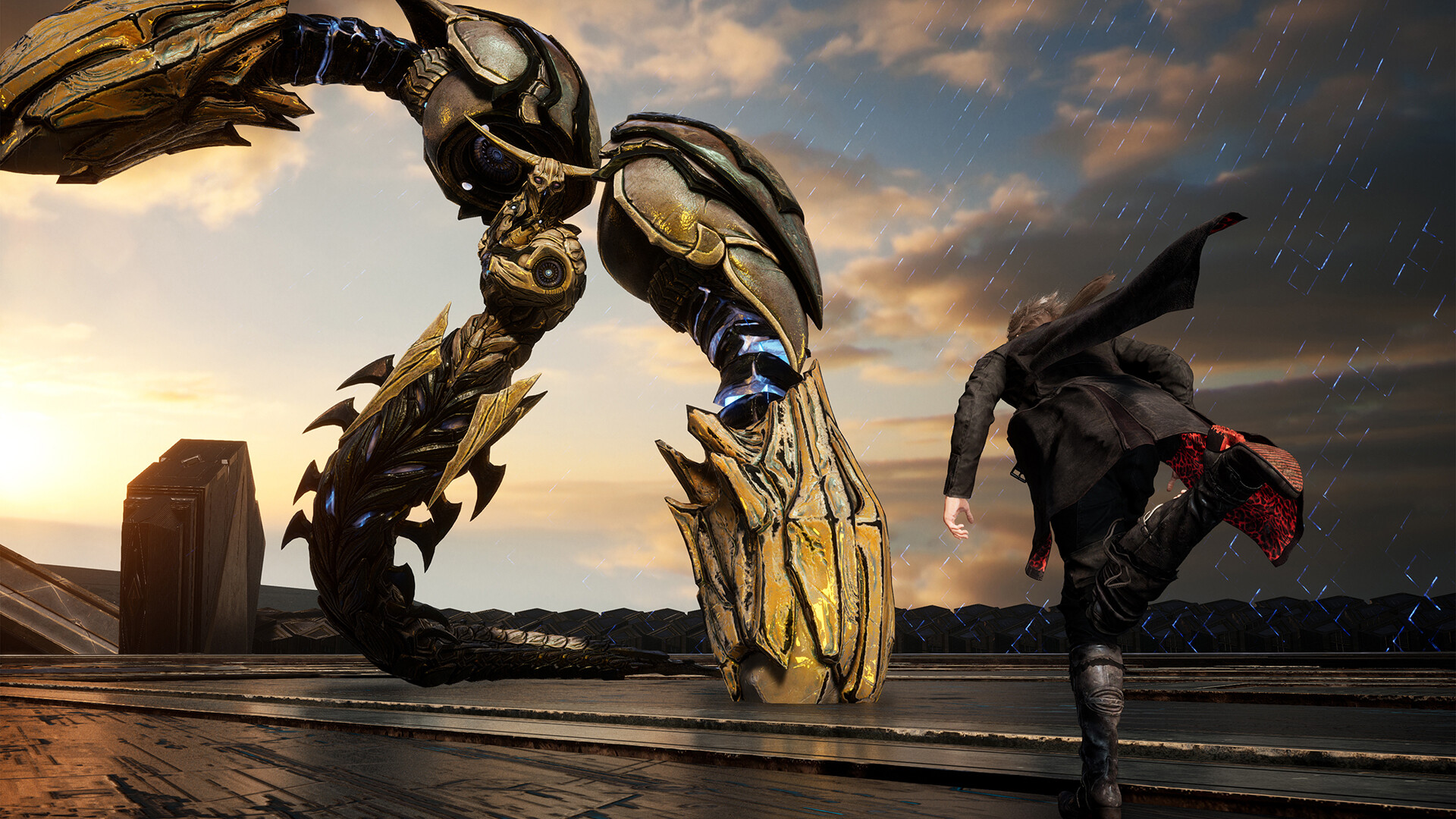
Lost Soul Aside's combat system is built around a simple but deep core loop: engage, build momentum, unleash, reposition. Understanding this loop is the key to mastering every encounter, from the humblest grunt to the most terrifying dimensional invader.
The Core Loop
- Engage: Close the distance and open with a light attack string or a gap-closing special ability. Lock onto your target to maintain orientation.
- Build Momentum: Land consecutive hits to build your combo meter and regenerate resources. The longer your combo, the faster your resource generation.
- Unleash: Spend your built-up resources on heavy attacks, weapon form-specific finishers, and special abilities for burst damage.
- Reposition: Use your dodge to evade incoming attacks and re-establish optimal positioning. Never stay stationary for more than a few seconds.
Light vs. Heavy Attacks
Your basic attack arsenal consists of light and heavy attacks, and understanding when to use each is fundamental:
- Light Attacks: Fast, low-damage strikes that chain together into extended combos. Their primary purpose is building combo meter and applying pressure. Light attacks also interrupt most basic enemy attacks.
- Heavy Attacks: Slower but more powerful. Heavy attacks break enemy guard, stagger larger enemies, and deal significantly more damage. They're your go-to for punishing openings created by dodges or parries.
The art of combat in Lost Soul Aside is knowing when to weave heavies into your light attack strings. A basic but effective pattern: 3-4 light attacks to stagger, then a heavy attack for damage, then dodge out before the enemy recovers.
Defensive Techniques
Dodging: Your Primary Defense
The dodge is your most important defensive tool. Pressing the dodge button performs a quick dash in any direction, and the startup frames grant brief invincibility (i-frames). The key to effective dodging is timing your dodge so the i-frames overlap with the enemy's attack active frames.
Dodge through attacks, not away from them. Dodging toward or through an attack keeps you in striking distance for a counter-attack. Dodging away creates space but gives the enemy time to recover and re-engage on their terms.
Parrying: High Risk, High Reward
The parry is a timed block performed just before an enemy's attack lands. A successful parry:
- Completely negates all damage from the attack
- Staggers the enemy briefly, creating a large damage window
- Generates bonus resource for special abilities
- Can be followed up with a unique counter-attack for extra damage
Parry timing varies per enemy. Humanoid enemies generally have more telegraphed attacks with generous parry windows. Large beast-type enemies often have attacks that are unparryable: you'll need to dodge those instead. The game gives visual and audio cues (a flash and a metallic ring) when you successfully parry.
Practice Makes Perfect
The early enemies in the first area are designed to teach parry timing. Spend 10-15 minutes practicing parries before moving on. Once the parry timing becomes muscle memory, the rest of the combat system opens up dramatically. A player who can parry consistently will find the game significantly more manageable.
Aerial Combat
Lost Soul Aside has a robust aerial combat system. By jumping and then attacking, you can launch enemies into the air and follow them with aerial combos. Aerial combat is particularly effective against:
- Flying enemies that are difficult to reach on the ground
- Large bosses where you need to reach weak points
- Crowd control: launching one enemy can stagger nearby foes
A standard aerial initiation: light attack to stagger, jump + light attack to launch, then follow up with aerial light attacks and finish with an aerial heavy attack to slam the enemy back to the ground.
Weapon Forms & Switching
One of Lost Soul Aside's defining combat has is the ability to switch between multiple weapon forms mid-combo. Each form has unique properties, and mastering the transitions between them is the path to high-level play.
Why Switch Forms Mid-Combo?
- Cancel Recovery Frames: Switching forms cancels the recovery animation of your previous attack, allowing you to chain attacks that would otherwise be impossible.
- Adapt to Enemy Behavior: Fast enemies require quick weapon forms; heavily armored enemies need forms with high stagger potential. Switch on the fly to match the situation.
- Extend Combos: By switching forms during a combo, you effectively reset your combo string, allowing much longer and more damaging sequences than any single form can achieve alone.
- Resource Management: Different forms generate and consume resources at different rates. Using a fast form to build resources, then switching to a heavy form to spend them, is an efficient strategy.
Weapon Form Switching Tips
Practice the basic switch combo: begin a light attack string in your primary form, press the switch button mid-string (during the recovery of any attack), and immediately follow up with a heavy attack in the new form. This creates a smooth transition that deals damage from both forms while maintaining offensive pressure.
Enemy-Specific Tactics
Different enemy types require different approaches. Here's a breakdown of the general enemy categories you'll encounter and how to handle them:
Grunt Enemies
Basic dimensional spawn: fast but fragile. Light attack strings are usually enough to dispatch them quickly. Use them to build resources and practice combos. They're also great for parry practice since their attacks are well-telegraphed.
Armored Enemies
These enemies have super armor that prevents staggering from light attacks. Switch to heavy attacks or use weapon forms with high stagger potential. Breaking their guard opens them up for a full combo. Alternatively, parry their attacks to bypass their armor entirely.
Flying Enemies
Aerial pests that hover out of reach. Use jumping attacks or ranged special abilities to knock them out of the sky. Once grounded, they're as vulnerable as grunts. Some weapon forms have extended vertical reach that can hit flying targets.
Large Beasts
Slow but devastating. Their attacks are heavily telegraphed but cover wide areas. Dodging is more reliable than parrying against most beast attacks. Focus on their weak points (often glowing areas on their body) for bonus damage. Large beasts also tend to have stagger thresholds: enough damage will cause them to recoil, giving you a safe damage window.
Elite Enemies
Mini-bosses with unique movesets. They often appear in pairs or with grunt support. Prioritize eliminating any supporting grunts first to create space, then focus on the elite. Learn their attack patterns one at a time: they usually have 3-4 distinct attacks that cycle.
Advanced Techniques
Once you've mastered the basics, these advanced techniques will elevate your gameplay:
Weave Canceling
By rapidly switching between two weapon forms during a combo, you can cancel the recovery of each attack into a new attack from the other form. This creates extremely long, high-damage combos that also generate resources quickly. The timing is tight but incredibly rewarding.
Parry Follow-Ups
After a successful parry, you have a brief window for a guaranteed follow-up. Don't waste it on a single attack. Use it to set up your heaviest comboarry → heavy attack (stagger extension) → switch forms → special ability → light string → heavy finisher.
Resource Cycling
Maximize your damage output by cycling through your resources efficiently. Build combo meter with light attacks in a fast form, switch to a heavy form to spend the combo meter on heavy attacks that generate special ability resource, then spend that resource on a powerful finisher. This three-stage cycle produces the highest sustained damage in the game.
Style Score
Lost Soul Aside tracks a style rating during combat, similar to character action games. Higher style ratings grant bonus experience and resources. The style meter rewards variety: using different attacks, switching forms, parrying, dodging through attacks, and aerial combat all contribute. Sticking to one or two moves will keep your style rating low.